All Categories
Featured

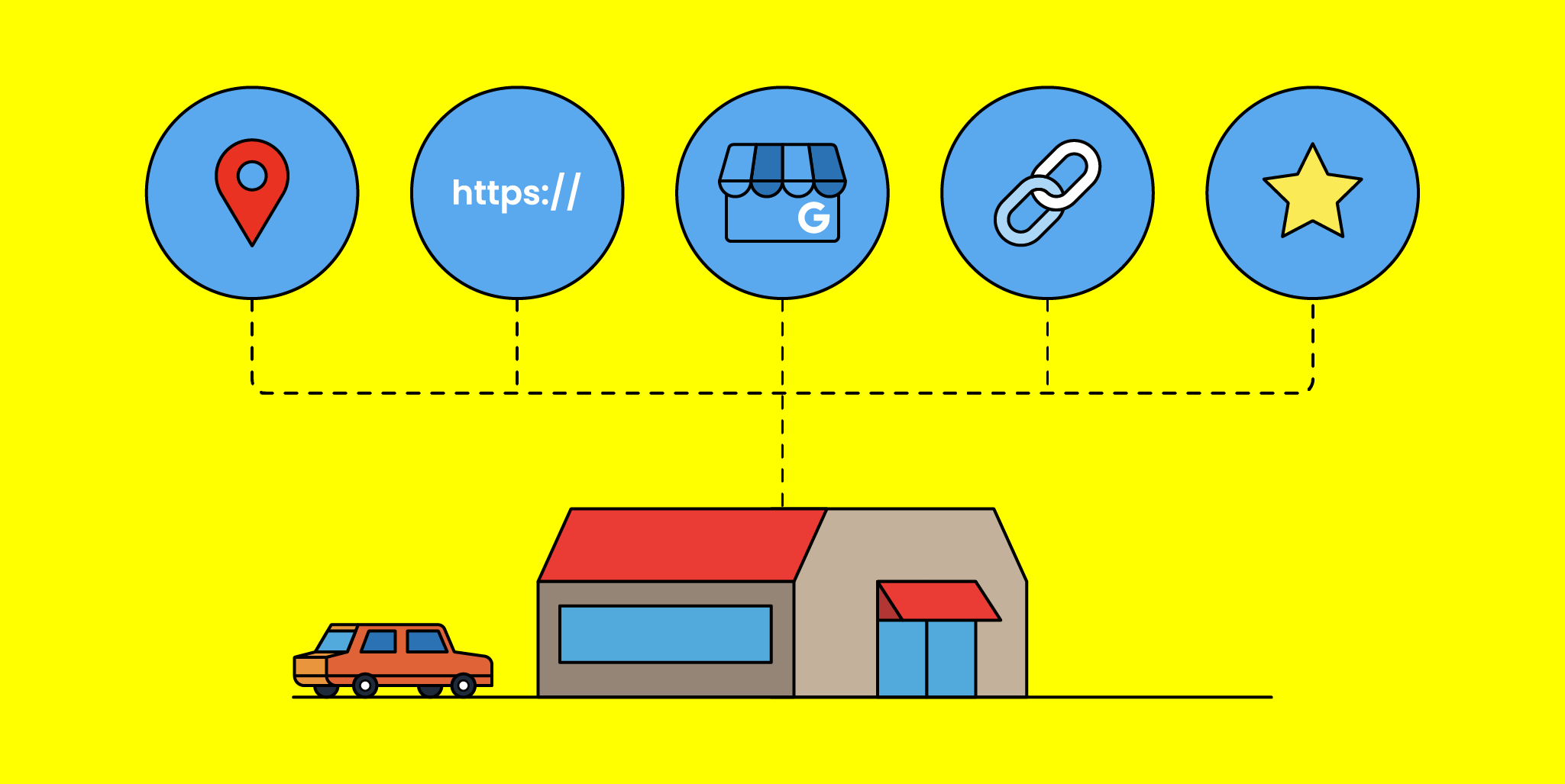
Building Trust With Advanced Search Optimizations
Table of Contents
This includes your business name (precisely as it appears in the real life), complete address with suite numbers, primary phone number (regional, not toll-free), site URL, company hours consisting of unique hours for holidays, and a detailed organization description including relevant keywords naturally. Select the most specific primary classification for your businessthis single selection carries significant ranking weight.
Include secondary categories that properly explain extra services, however focus on precision over keyword stuffing. A dental practice might choose "Dental expert" as primary and include "Cosmetic Dentist" and "Emergency Situation Dental Service" as secondaries if those services are really provided. Upload top quality photos regularlybusinesses with images receive 42% more demands for directions and 35% more click-throughs to their websites than those without.

Google's data reveals that services posting photos weekly see increased engagement, so establish a constant posting schedule instead of uploading everything simultaneously. Include a logo and cover photo that strengthen your brand identity. These appear prominently in Map Pack outcomes and assist your listing stand apart aesthetically. If appropriate, include 360-degree virtual tours, which Google highlights with unique badges and which considerably increase engagement for location-based businesses like dining establishments, hotels, and stores.
While posts end after 7 days, preserving an active publishing schedule signals to Google that your company is actively managed and engaged with consumers. Posts also offer additional opportunities to integrate appropriate keywords and calls-to-action that drive conversions. Enable all applicable attributes for your businessthese special features like "wheelchair accessible," "free Wi-Fi," "outside seating," or "women-led" help your organization appear in more specific searches and provide valuable information to prospective customers.
Improving US Business Search Rankings for 2026
Regional citationsmentions of your service name, address, and contact number (NAP) on other websitesfunction as trust signals that validate your company's authenticity and place. Google cross-references information from numerous sources to validate company information, making citation consistency a crucial ranking element. Inconsistencies produce confusion and deteriorate trust in your business data.
These platforms distribute service details to hundreds of downstream directories, apps, and services, producing a multiplier result from a single precise submission. Making sure precision at the aggregator level prevents inconsistencies from proliferating across the citation environment. Next, claim and enhance listings on industry-specific directories appropriate to your business. A restaurant should prioritize Yelp, TripAdvisor, and OpenTable; an expert service should concentrate on industry associations and regional chambers of commerce; a retailer might stress shopping directory sites and review platforms.
Use the similar business name format, address structure, and phone number all over. Produce a recommendation document with your canonical NAP details and use it regularly across all platforms.
Regional directory communities differ considerably in between Singapore, Malaysia, Indonesia, and China, requiring market-specific techniques rather than one-size-fits-all techniques. Reviews directly affect Map Load rankings through multiple mechanisms: evaluation quantity, review velocity (how often you get new evaluations), evaluation rankings, and evaluation recency all aspect into Google's prominence computations. Beyond algorithmic results, examines influence customer behavior93% of consumers report that online reviews impact their purchasing decisions, making review management both a ranking element and a conversion optimization strategy.
The most effective approaches integrate review demands into existing customer touchpoints: post-purchase e-mails, service conclusion follow-ups, invoice e-mails, or consumer success check-ins. Timing mattersrequest reviews when client complete satisfaction peaks, typically right away after a positive interaction or successful result. Make leaving reviews uncomplicated by supplying direct links to your Google Business Profile review page.
Advanced Business Profile Management Strategies for SEO
Some companies produce reduced URLs or QR codes that can be shared by means of numerous channels, from email signatures to printed materials at physical places. Make sure team members understand they need to never offer rewards for reviews (breaching Google's policies) but can emphasize how reviews help other customers make notified decisionsan method that resonates with community-minded consumers.
Google's information suggests that companies reacting to evaluations see higher rankings, and consumers view companies that respond as more trustworthy and customer-focused. Aim to react to every review within 24-48 hours while the conversation remains timely and appropriate. For positive evaluations, reveal authentic gratitude and individualize reactions by referencing particular information from their review.
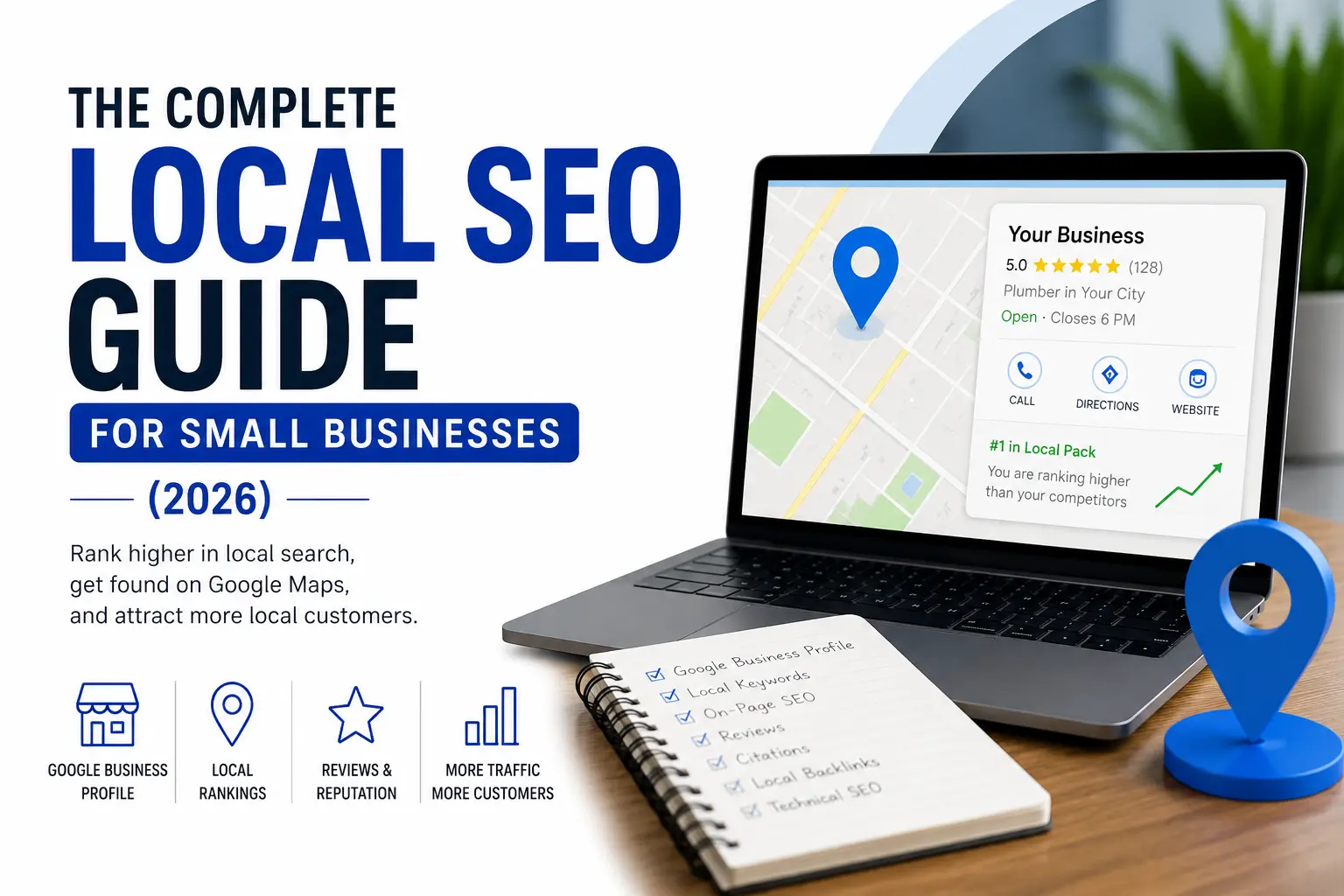
For unfavorable evaluations, react professionally and empathetically, acknowledge concerns, and deal to fix problems offline. Your action talks to potential clients checking out the evaluation as much as to the customer themselves. Unfavorable reviews, while unpleasant, can actually enhance your company profile when dealt with properly. A mix of reviews appears more genuine than ideal 5-star scores, and thoughtful responses to criticism show accountability and client commitment.

Latest Posts

How to Optimize Your Map Results
Growing Walk-in Traffic via Modern Map Packs
Scaling Small Business Search Rankings for 2026